
Relocating to Portugal is, administratively, a straightforward matter. Integration is the harder and more rewarding part, and it rarely happens through paperwork. It happens in the details of daily life: the way coffee is taken, the pace of a shared meal, the calendar of festivals that structures the year.
The following fifteen activities are not a sightseeing itinerary. They are the everyday customs through which residents come to feel at home, and through which a community comes to recognise you as one of its own. Adopt them gradually and with genuine curiosity, and you will find that belonging in Portugal is less a destination than an accumulation of well-lived ordinary days.
1. Take your morning bica at the counter
The Portuguese day typically begins with a bica, a short, strong espresso taken standing at the counter of the neighbourhood pastelaria. The ritual is brief and social rather than leisurely. Adopting it, and becoming a familiar face at a single café, is among the earliest and most natural steps towards feeling settled.
2. Appreciate the pastel de nata at its source
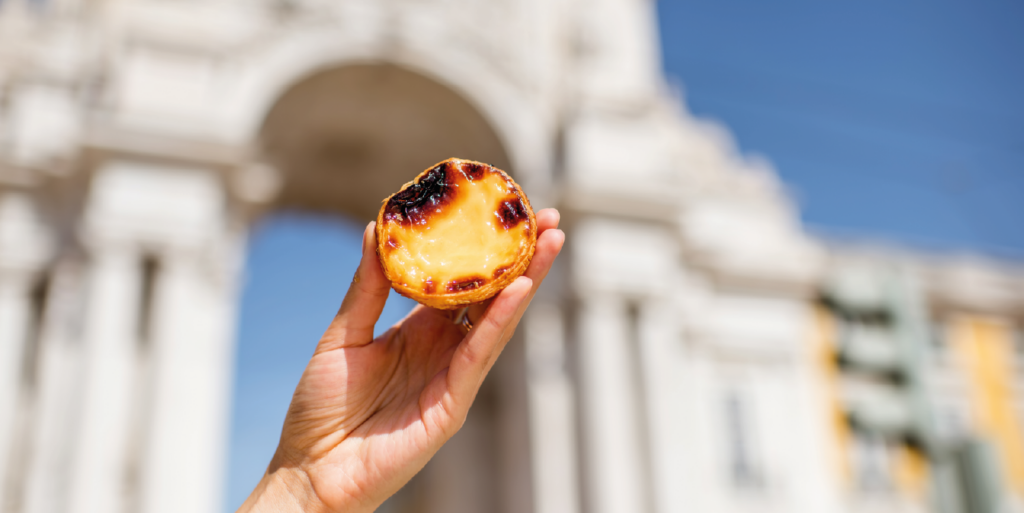
The pastel de nata is Portugal’s best-known culinary export, yet it is at its finest served warm, close to where it was baked. Identify the bakery near your home that prepares it well and visit regularly. The recognition that follows, being greeted by name, remembered by preference, is a small but meaningful marker of local life.
3. Observe the tradition of the long lunch
In Portugal, lunch is a considered pause rather than a task to be dispatched. A proper almoço unfolds across a starter, a main course, and an unhurried coffee, and many establishments offer an excellent-value prato do dia, or dish of the day. Setting aside time for a genuine midday meal, rather than eating on the move, is one of the clearest ways to fall into step with the national rhythm.
4. Greet your neighbours with courtesy
Portuguese social life is built on everyday politeness. A sincere bom dia to a neighbour, a shopkeeper, or a fellow resident is not mere formality but the foundation of community. Learn the standard greetings, use them consistently, and you will find that relationships in your building and on your street develop quickly and warmly.
5. Grill sardines during the Santos Populares
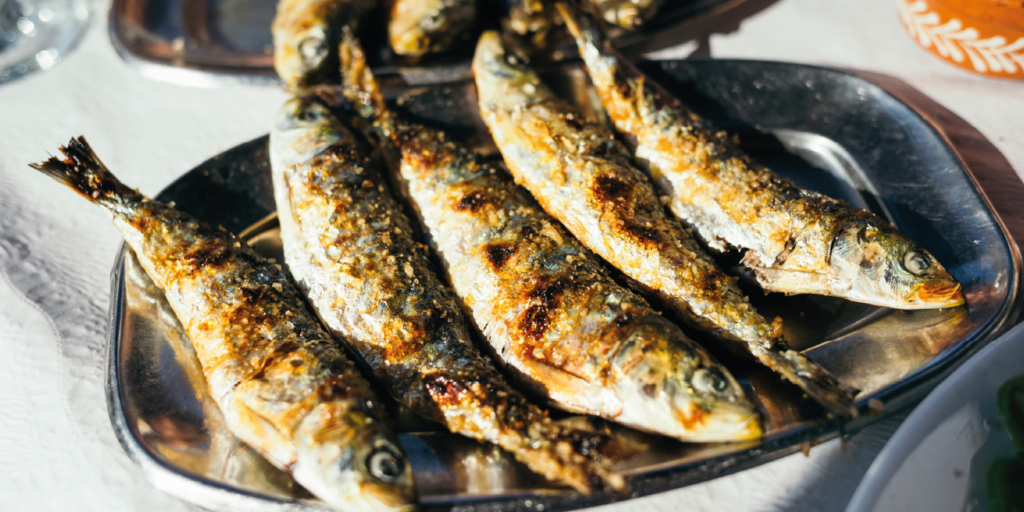
Each June, the Santos Populares, or popular saints’ festivals, fill Portuguese streets with music, paper decorations, and the aroma of grilled sardinhas, traditionally served with bread and grilled peppers. Hosting a small gathering and cooking sardines at home during this period is a simple and authentic way to participate in one of the country’s most cherished seasonal customs.
6. Experience São João in Porto or Santo António in Lisbon
The festivities reach their height on the night of 23 June. In Porto, São João transforms the entire city, with bonfires, street celebrations, and hot-air balloons rising over the Douro at midnight. In Lisbon, Santo António animates the historic quarters with grilled sardines and open-air dancing. Both are deeply local occasions and worth experiencing at least once in full.
7. Spend an evening with fado
Fado is the musical expression of Portuguese saudade, a particular sense of longing and remembrance. A visit to a modest casa de fado in Lisbon’s Alfama district or in Coimbra, where the room falls quiet as the singer performs, offers genuine insight into the national temperament. Fluency is not required; the emotion is universally legible.
8. Follow the Seleção and a local club
Football functions as a shared national language. Matches of the Seleção, the national team, bring cafés and neighbourhoods together, while adopting a local club and attending its games is one of the most effective ways to become woven into the life of your town or city. Shared sporting allegiance builds connection with remarkable speed.
9. Shop at the mercado municipal
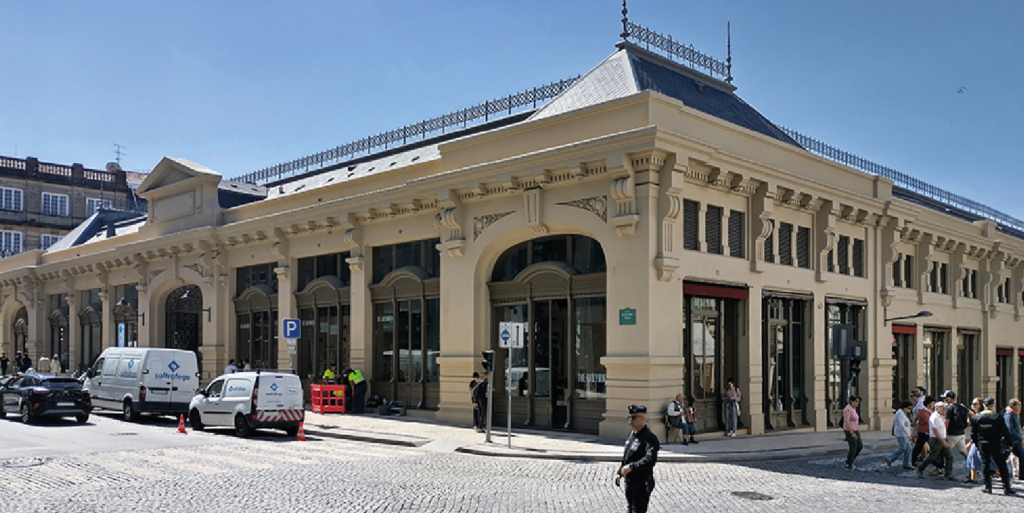
Substituting the supermarket for the mercado municipal, the covered municipal market, at least once a week rewards you with fresher, seasonal produce and the informed advice of the stallholders. In time you will establish your own fishmonger, greengrocer, and cheese seller, relationships that are themselves a quiet form of belonging.
10. Learn to prepare bacalhau
According to Portuguese tradition, there is a preparation of bacalhau, salted cod, for every day of the year. It is the ingredient that unites the national table, from the everyday bacalhau à Brás to the cod that anchors the Christmas Eve supper. Asking a Portuguese acquaintance for a family recipe, and cooking it with care, is a gesture that is invariably well received.
11. Try the francesinha in Porto
Porto’s francesinha is a substantial regional speciality: a layered sandwich of cured meats and steak, enclosed in melted cheese and a rich beer-and-tomato sauce. It is a point of considerable local pride, and opinions on where it is best prepared are held with conviction. Sampling one is both a culinary and a social introduction to the city.
12. Explore Portuguese wine by season
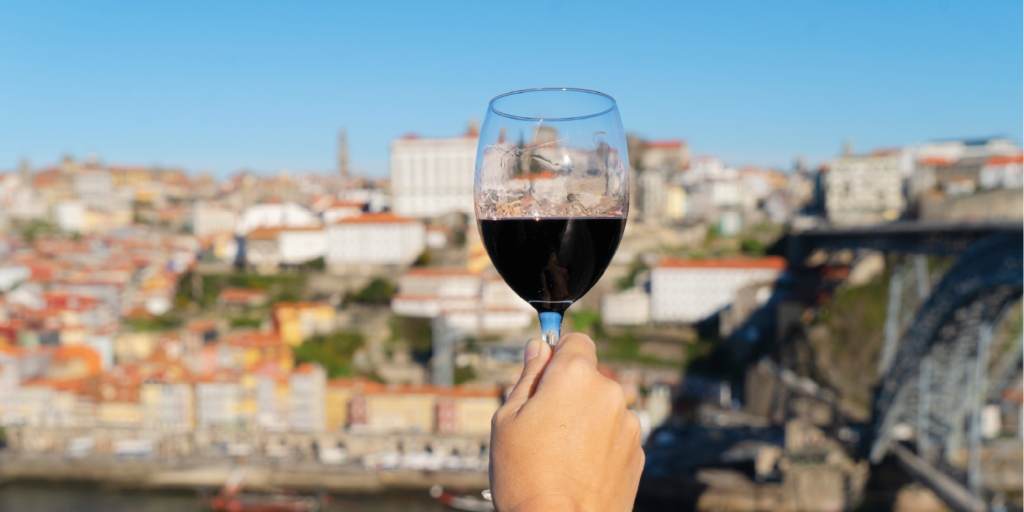
Portuguese wine follows the calendar. The lightly sparkling vinho verde of the north suits the warmer months, while port, ideally enjoyed in the Douro valley where it is produced, belongs to autumn and winter. A visit to a Douro quinta, or wine estate, with its terraced vineyards descending to the river, offers one of the country’s most memorable experiences and a deeper understanding of its landscape.
13. Embrace the coastal August
Through August, much of Portugal moves to the coast, and residents would do well to follow. The Portuguese beach is a democratic and unhurried institution, structured by its own gentle customs: the mid-morning arrival, the grilled fish lunch, the late-afternoon swim. Adopting this slower coastal rhythm is among the most restorative ways to feel at home.
14. Attend a romaria or a local feira
Beyond the cities, the Portuguese year is marked by romarias, religious festivals, and feiras, local fairs, complete with processions, music, food stalls, and celebration. These gatherings are central to the life of towns and villages. Arriving with curiosity and an open mind, and accepting the hospitality offered, is the surest route to a warm welcome.
15. Share the Consoada on Christmas Eve
In Portugal, Christmas centres on the evening of 24 December and the Consoada, the traditional Christmas Eve supper, built around bacalhau with potatoes and greens and followed by seasonal sweets such as rabanadas. It is an occasion of family warmth rather than spectacle. To be included in a Consoada, or to host one, is perhaps the clearest sign that Portugal has become home.
None of these activities demands fluent grammar or significant expense. What they ask for is presence, attentiveness, and a willingness to do things in the local manner. This is how integration is achieved in Portugal, not through grand gestures but through the steady, sincere adoption of everyday life.
Begin with a single custom this week. Take your coffee at the counter, greet your neighbours by name, or seek out the bakery with the finest warm pastel de nata. In time, and almost without noticing, you will find that you no longer feel like a visitor at all.