
Anyone learning Portuguese soon realises that the language in the textbooks isn’t quite the same as the one you hear on the street. And then there’s another one: the language of grandparents, villages and markets, full of words that younger people hardly ever use anymore.
These Portuguese words are still in the dictionary and have not died out. You hear them in inland Portugal, in café chats and from older people. But you hear them far less on television, on social media and in city conversations.
We’ve gathered ten of them, with their meaning and an example. Knowing them helps you understand people who speak the old-fashioned way, and it is a nice way to surprise a Portuguese person.
Why do some Portuguese words fall out of use?
A word disappears when the thing it names no longer exists, or when another, shorter, more modern or foreign word takes its place. School, television and the internet have also made Portuguese more alike from north to south, and many regional expressions have gradually lost ground.
10 words you rarely hear any more
1. Algibeira
A pocket, especially on trousers or a jacket. Some people still say ‘guardar na algibeira’ (to keep something in your pocket), but most people simply say bolso.
2. Basbaque
Someone who stands still, open-mouthed, staring at everything they see. Example: ‘Não fiques aí especado como um basbaque, vem ajudar’ (don’t just stand there gawping, come and help).
3. Pelintra
A poor or shabbily dressed person who wants to look like more than they are. It was a common criticism in towns and villages, and today you mostly hear it from older people.
4. Mandrião
A lazy person who avoids work whenever possible. Many grandparents still use it with grandchildren who won’t help at home: ‘Anda cá, seu mandrião’ (come here, you lazybones).
5. Janota
Someone who dresses with care and always looks well turned out. Example: ‘Vais tão janota, vais a algum casamento?’ (you look so smart, are you off to a wedding?).
6. Lambisgoia
A nosy, conceited person who meddles in other people’s lives. It was also used for someone very thin.
7. Estroina
Someone who spends their money on parties and fun without a thought for tomorrow. Today we would say they live the high life.
8. Catraio
A young boy, a kid. You hear it mainly in the North, and it still comes up in family conversations: ‘Quando eu era catraio, brincávamos na rua até ser noite’ (when I was a lad, we played in the street until dark).
9. Fedelho
A child, or a cheeky youngster who butts into adult conversations. Example: ‘Cala-te, fedelho, que ainda não tens idade para isso’ (be quiet, you brat, you’re not old enough for that).
10. Zaragata
Commotion, a fight, a row. ‘Houve zaragata no café’ (there was a zaragata at the café) meant that someone had fallen out, and the whole village would hear about it.
 Be a Portuguese15 activities that will make you feel PortugueseRead more
Where you can still hear them
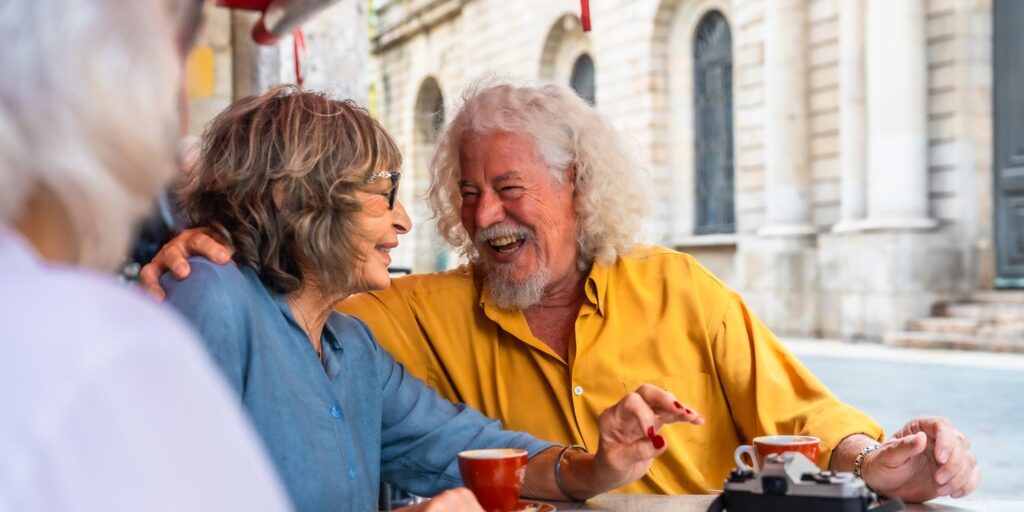
In inland Portugal, at fairs and markets, in neighbourhood cafés and, of course, at grandparents’ homes. Many survive in proverbs and set phrases, and some get a new lease of life when younger people use them as a joke.
If you live in Portugal or are learning the language, it is worth paying attention. Using one of these words at the right moment usually raises a smile and shows that you are really listening to the country.
If you enjoy getting to know Portugal beyond its words, have a look at our guide to what to see in Aveiro, where many of them can still be heard in conversations by the lagoon.
Languages change and words come and go. These ten tell how people lived and spoke in Portugal just a few decades ago. Keeping them in your algibeira is a good way to get to know Portuguese, and the people who speak it, better.
 Tiago Machado